

What Is In-Home Care? An Overview of Support for the Elderly and Their Families
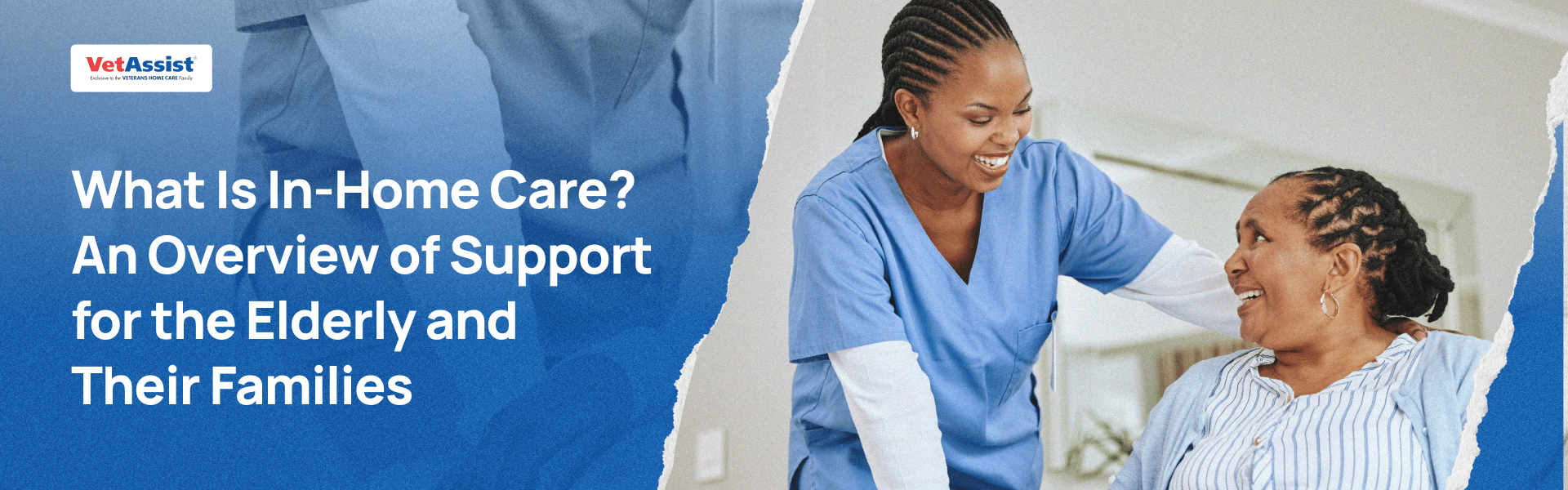
Home care for elderly people is somewhat misunderstood as a medical service. While it can include home health, home care is practical aid that brings bonus benefits: socialization, cognitive stimulation, personal empowerment, dignity, and comfort for your aging loved one. Families also benefit from peace of mind and vital support.
In-Home Elder Care: What Are ADLs?
ADLs are activities of daily living. According to the National Institutes of Health, the ability to carry out these tasks defines an individual’s level of functioning (more here). Someone who cannot carry out ADLs requires intensive assistance, whether that’s from a family caregiver or a professional.
Examples of ADLs include:
- Feeding oneself
- Bathing
- Getting dressed
- Transferring from one place/position to another
- Toileting
Someone who cannot do these activities independently often ends up in full-time care outside their own home. While this is sometimes the best option, it can come with downsides in the form of the senior’s lost sense of agency, comfort, and dignity. In addition, not all families can afford this option, or want it. In this case, they turn to in-home options (their elderly parent’s home, or moving them into their own).
Another type of ADL assistance is for IADLs, or instrumental activities of daily living. Some of these are:
- Cleaning the home and doing laundry
- Communicating via phone or other devices
- Managing personal finances
- Getting to and from places like the grocery store (whether that’s driving, walking, or using public transportation)
- Cooking/meal preparation
What In-Home Care Provides
Professional caregivers typically work on a customizable basis in your elderly loved one’s home, performing ADLs and some IADLs. (Many of our clients see their caregiver daily for a few hours, or just a few days per week.) Some benefits of in-home care are:
Decreased hospital readmission rates. Post-discharge care is known to impact whether a patient makes a full recovery without additional hospital visits. A professional caregiver monitoring your loved one’s routine—everything from taking meds on time to drinking water—means the doctor’s aftercare instructions are followed. It also means attentive help to prevent falls and quick response to emergencies, like post-surgical infections.
Cleaner, safer living environment. A caregiver can help keep your loved one’s home tidy and organized, reducing the risk of falls and other injury and preventing overwhelm from incomplete chores. On paper, a caregiver is doing dishes and laundry and making the bed; in practice, they are maintaining an uplifting, tranquil, and sanitary living environment.
Quick and informed eyes and ears. A caregiver is alert to changes in your senior loved one’s health, including mental health. They will notice depressed moods or pessimism, as well as frequent headaches or shaking hands. They will notice signs of cognitive decline and memory loss. They may hear about questionable activity before you do, like online or phone-based scams. They will also quickly know about home maintenance needs, like a drafty door or a leaking sink. Their routine attention ensures you know sooner about issues that need a response.
Socialization and cognitive support. If the caregiver is a good fit, your elderly loved one will look forward to spending time with them. Along with practical assistance, they provide conversation and moral support. They can also play games with your loved one to keep them intellectually engaged, encourage creative activities, or help them do their PT-approved exercises to maintain brain and body health. Beyond tasks like cooking and cleaning, a caregiver helps raise your loved one’s spirits and live a fuller daily life.
Family support. A good caregiver will educate the family about their senior’s care and available resources they might not know about, based on their experience with many other elderly clients. They are a wealth of knowledge about routines that work, self-care and respite care, and getting what you need from a busy healthcare provider.
Agency and self-direction. Caring for the elderly in their own home, versus in an institution, gives them a greater sense of independence. They are able to voice their preferences, from the temperature in the house to what they’ll have for dinner. Particularly when your loved one begins to need more help, options for elderly care at home can feel easier to accept and get used to.
How to Get Started with Home Care
Beginning home care can be intimidating. When it comes to your elderly loved one, broaching the subject takes sensitivity and empathy, as well as preparation. Gather information about your options, costs, and benefits your loved one qualifies for. (Veterans and their spouses tend to underuse their available VA benefits.) Take stock of their needs and desires, and get their genuine consent to make a collaborative plan.
Families sometimes have differing opinions about how to help parents or grandparents, who will do what, who will pay for what, and who will be a point of contact. Make an intentional plan with siblings and be transparent about what your loved one needs in terms of care. Home care is often a lifesaver when everyone has full time work and children, or when families are spread across the country and can’t be physically available.
When screening agencies and caregivers, look for verifiable experience and qualities such as reliability, patience, and interpersonal abilities. Use reviews and references. Get deeply involved early on so you can feel confident trusting them in the long term.
In-home care can be the best alternative to providing all their care yourself or moving your loved one into a care institution. If your loved one needs home care, our VetAssist mission is to make home care easily and quickly accessible for those who qualify through the VA Pension with Aid and Attendance benefit. Veterans Home Care can help you determine whether you or your loved one will be eligible to receive the benefit, which can cover some or all of the cost of home care, and we make it easy to apply. Chat with us via our website, or call us at (888) 314-6075.