


A Guide to Bone Health and Density Loss Prevention
Bone aging is a major concern for senior adults, as it leads to an increased risk of falls and severe injuries. Low bone density is especially common among post-menopausal women, but is observed in most seniors over age 65, making it an important focus of our health regimen.
Like most chronic conditions and elderly ailments, genetics influence bone health in elderly adults, but lifestyle factors also play a powerful role. Here are some essentials on how to improve bone health, as well as some warning signs of osteoporosis—the most commonly diagnosed bone health issue—and osteopenia.
Aging and Other Contributors to Bone Density Loss
Bones naturally start to lose density beginning in middle age. This has to do with the routine cell replacement rates of our bodies; as we get older, we replace cells more slowly. We may forget that our bones are living tissue, but they are continuously regenerating like the rest of our body.
Some common factors that impact aging bone density include: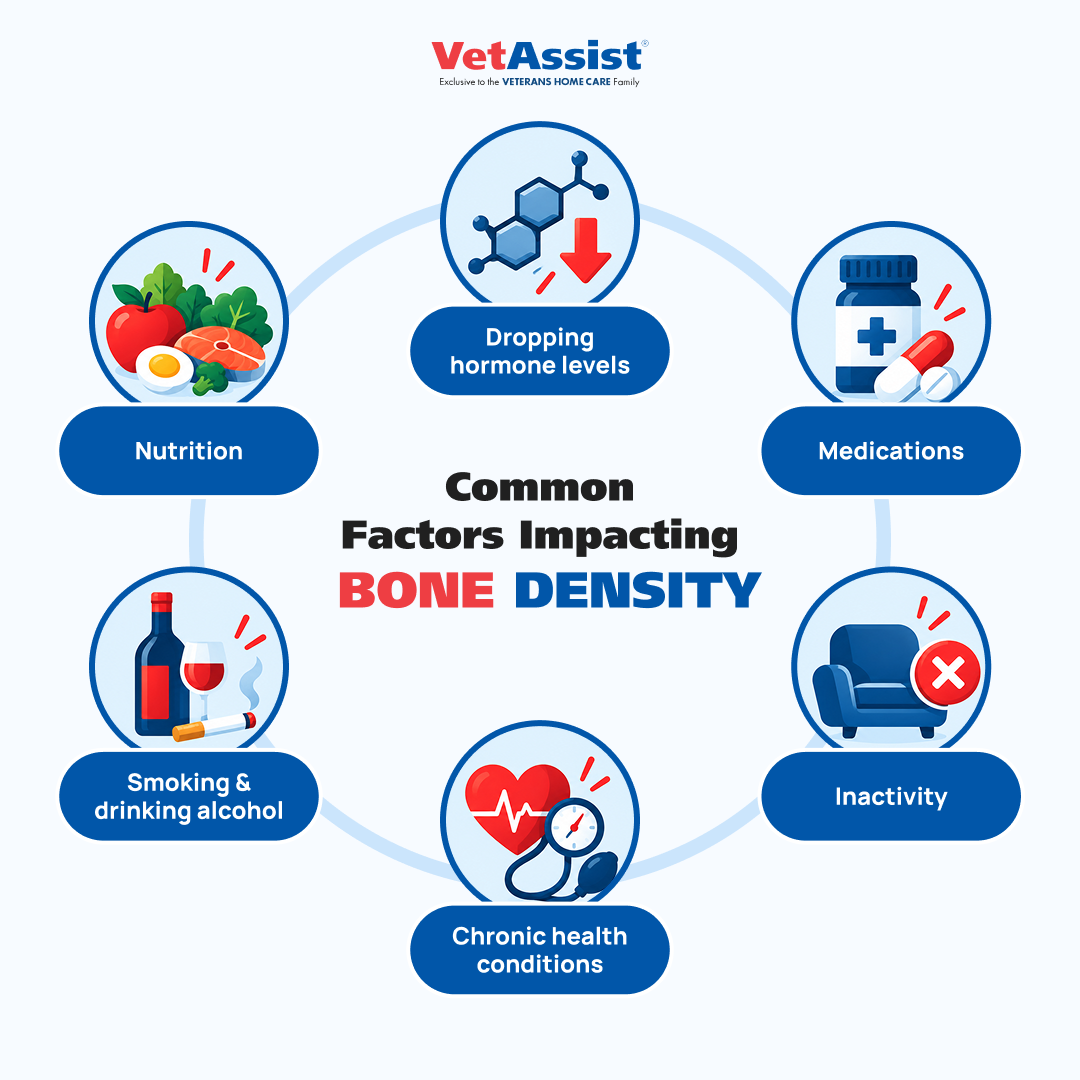
● Dropping hormone levels. Post-menopausal women have less estrogen, which helps regulate bone cell replacement. Men can face a similar challenge related to testosterone.
● Nutrition. Those who are malnourished or eat a diet too low in needed vitamins and minerals face a higher risk of bone disease.
● Smoking and drinking alcohol. These introduce additional challenges to the body like impaired blood circulation, toxic free radicals, hormone disruption, and slowed cell turnover. They can also make it more difficult for the body to absorb the nutrients it needs for bone and other tissue health.
● Inactivity. Unused, unchallenged bones and muscles get smaller and weaker.
● Certain medications. These include diuretics, hormone-based cancer therapies, seizure medications, corticosteroids (such as those used to treat eczema or arthritis), blood thinners, and PPIs taken for acid reflux or ulcers.
● Chronic health conditions like diabetes, kidney disease, hyperthyroidism, and bone-related autoimmune disease.
Our genes and natural aging play a role in bone density loss, but there are factors we can control to slow down bone aging and minimize the chance of fractures, breaks, and related health complications.
Bone Health Foods and Easy Workouts
Nutrition is one of the best things we can focus on to preserve bone density (as well as general quality of life). Healthy choices support our bodies in regenerating cells and fighting disease. Bone-focused nutrition should include the following:
● Calcium. Women over 50 should increase their calcium intake through calcium-rich foods or supplements. (Always discuss supplements and dietary changes with your doctor.)
● Vitamin D. Vitamin D helps the body absorb calcium. While we absorb vitamin D from the sun through our skin, this can increase the risk of developing skin cancer, so turn to food and supplement sources for this important nutrient.
● Protein. Protein supports muscle health and maintenance and can be enjoyed in a wide range of foods.
A colorful diet rich in whole foods and low in sugar and saturated fats has long been touted for overall health by registered dietitians and other health professionals. Be sure to speak to your doctor about foods or supplements that could interact with medications you take.
Another piece of the puzzle is exercise, which is crucial to preventing and slowing osteopenia and osteoporosis. Aerobic exercise supports faster cell turnover and resilience, while weight training grows protective muscles and strengthens bones. The right workouts also train in balance and flexibility to minimize the risk of injury. A physical therapist may be able to help you create a routine that targets your particular needs. Make sure to talk to your doctor about safety while exercising, and if needed, explore assistive devices for mobility.
Some popular options include:
● Moderate intensity aerobics. How do you know you’re at the right intensity? You should be able to talk, but be too out-of-breath to sing. Walking is a good place to start for most people. Many seniors enjoy water aerobics, and dancing offers exercise plus cognitive benefits from coordinating with music as well as a partner or group. Hiking or riding a bike on a flat trail can get you out in nature while raising that heart rate. Even less traditional exercise like mowing the lawn or gardening can be beneficial. Shoot for about 20-30 minutes of aerobic exercise most days per week.
● Strength training. You can use weights or even household items to do repetitions learned in a class, with a physical therapist, or online. Some common strength exercises use your own weight as resistance, and you can even find chair-based routines to start off slowly. Try to do 15-30 minutes of strength training twice a week. You can also put everyday effort on your muscles by carrying groceries, climbing stairs, and sitting and rising up from the floor.
● Balance and flexibility training. Yoga and tai chi are popular activities for seniors that help increase personal safety and mobility. They have the side benefit of building muscle strength as well. You can do short routines daily, or longer balance/flexibility routines a couple times per week to feel marked benefits.
Supporting Bone Density in Older Adults
If you care for an elderly loved one, support their safety, quality of life, and health outcomes by educating them on bone health and steps they can take to prevent falls and fractures. Bone density should be tested by your healthcare provider starting at age 65 for women and age 70 for men. Home modifications can be made to prevent slipping and falling, and smart technology can even be used to set routines and reminders for exercise, meals, and staying hydrated.
A professional home care provider is an ally in caring for your loved one and making sure they maintain health-supporting routines. If your loved one needs home care, our VetAssist mission is to make home care easily and quickly accessible for those who qualify through the VA Pension with Aid and Attendance benefit. Veterans Home Care can help you determine whether you or your loved one will be eligible to receive the benefit, which can cover some or all of the cost of home care, and we make it easy to apply. Chat with us via our website, or call us at (888) 314-6075.

