

Choking, Dysphagia, and Difficult Swallowing in Elderly Adults
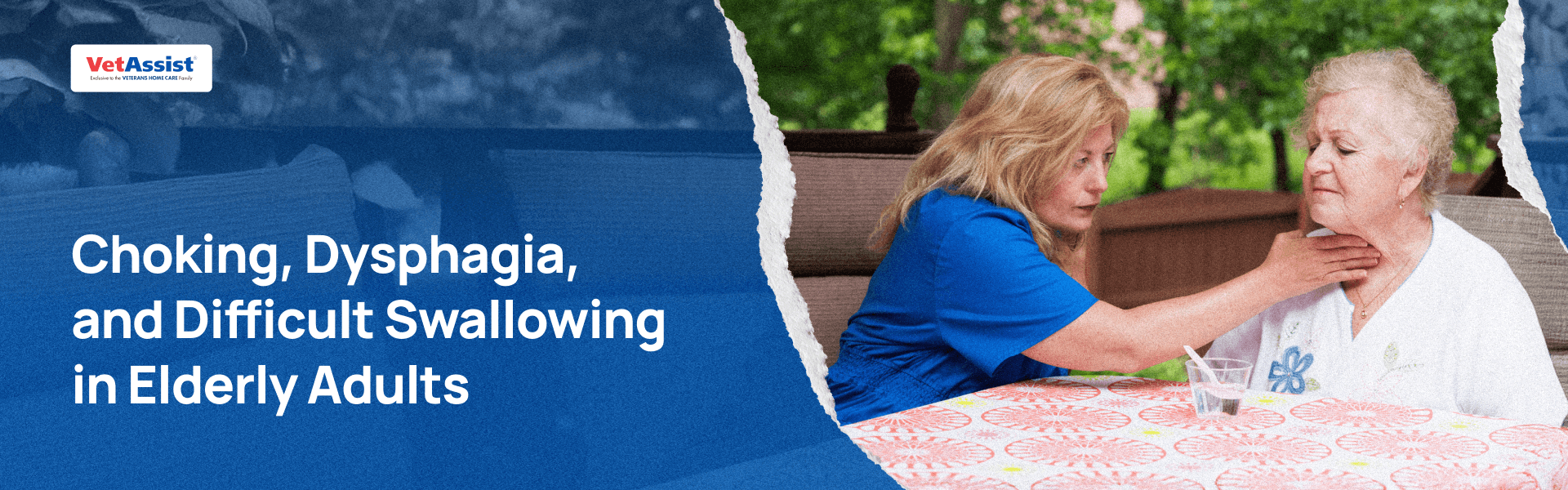
Dysphagia in the elderly is a common condition resulting from multiple factors including oral health problems, chronic illness, and medication side effects. Also called geriatric dysphagia, this is characterized by difficulty swallowing and a higher risk of choking. Seniors make up an astounding 75% of the choking deaths each year in the US. That statistic represents over 4,000 senior deaths annually. Risk rises with age, especially after age 71.
Swallowing issues can be diagnosed and mitigated. Protect your senior loved one by getting educated on dysphagia and choking risks and by speaking to them about struggles they may be experiencing.
Why Do Older People Choke on Food?
Swallowing food and water occurs in three phases requiring first the mouth, then the throat, and lastly, the esophagus. When even one of these phases is compromised, choking can occur.
With age, oral health can decline, and unchewed food can lead to swallowing problems in elderly adults. Missing or damaged teeth, diseased gums, loose dentures, insufficient saliva (dry mouth), and weakened or uncoordinated muscles in the tongue or throat can all contribute.
Illness can also cause or worsen swallowing challenges. Some examples are:
- Paralyzing conditions, such as a stroke
- Neurological or neurodegenerative conditions, such as Parkinson’s disease
- Dementia, due to reduced cognitive capacities
- Chronic or untreated acid reflux
- Diabetes, which can be accompanied by dry mouth
- Certain cancers or their treatment
While it is typical for older adults to produce less saliva, some medications have dry mouth as a side effect, exacerbating the issue. These include medications for blood pressure, allergies, and depression. (Read about medication safety here.) Conversely, seniors who cannot clear their own saliva or phlegm by swallowing are also at risk of choking.
With these barriers to healthy swallowing, choking in elderly people presents an underestimated threat to their safety.
Risks Associated with Dysphagia and Choking
Besides the obvious threat to breathing, choking can result in lung infections as foreign objects like food particles enter the lungs, along with bacteria from the mouth. Aspiration occurs when food or drinks enter the lungs without blocking airways, and this can also carry bacteria into the lungs. This is one reason it is imperative to brush, floss, and visit the dentist regularly.
Furthermore, frequent and violent coughing can lead to tissue damage, and dysphagia is thought to be a risk factor for the development of pneumonia. Elderly people who have choked on food or water might become afraid to eat and drink, which leads to malnutrition and other health issues. Fears around eating and drinking can also cause anxiety and distress, impacting mental health and quality of life.
Certain food choices or habits increase risks for seniors. These include eating hard candies, meat or fish with bones, popcorn, hot dogs, food in large chunks, and sticky or chewy foods (such as taffy, peanut butter, or even tough meats). Other risks include eating quickly and eating alone, because no one can intervene quickly if they choke. Those who eat while watching TV may be distracted or laugh with food in their mouth, upping their risk.
Seniors should speak to their doctor if they show any of the following dysphagia warning signs:
- Choking regularly while eating meals or drinking beverages
- Choking to the level of coughing violently and turning red in the face
- Having a dry mouth much of the day
- Feeling distress around eating and drinking, or avoiding doing so
Diagnosis and Treatment of Dysphagia
Your elderly loved one may opt to see their geriatrician or a specialist, such as a speech pathologist, for their swallowing difficulties. Their provider will typically begin assessment of dysphagia with a simple swallow test, where they observe their patient drinking water. They will ask their patient what foods or liquids typically cause problems, as well as cover surrounding risk factors like diagnosed illness or medications that might be impacting their ability to swallow.
Next, they may order a Video Fluoroscopic Swallowing Exam (VFSE), where x-rays capture the patient swallowing in real time to see where and how issues are occurring. A similar test, an esophagram, can be used to observe the esophagus in action.
Treatment for dysphagia has many components. First, there are practical changes your elderly loved one can make to their eating by:
- Cutting food into smaller pieces
- Eating slowly and chewing food thoroughly (those with dentures should see their dentist about ensuring proper fit)
- Eating smaller, more frequent meals throughout the day, versus a couple of large meals
- Adding flavored or flavorless thickeners to drinks (thickened water for elderly dysphagia patients is commonly indicated)
- Eating more soft, thick, and even-textured foods such as yogurt, pudding, and pureed soups
- Sitting up straight while eating, and tucking their chin towards their chest while chewing and swallowing
- Avoiding distractions while eating, including talking
- Sipping a beverage while eating
An occupational therapist can bring a wealth of knowledge and resources to compensate for dysphagia and its challenges.
In some instances, dysphagia is the result of a treatable condition, and a doctor can address the root cause to lessen or eliminate it.
Some Cautions Around Choking in Elderly People
It is important to know how you will respond if you are near your elderly loved one when they are choking. If they begin coughing, encourage them to keep coughing until the obstruction is cleared. Do not slap their back to help, as it is usually ineffective, and you risk hurting them in the process. Do not put your fingers in their mouth or throat, but have them bend over slightly or lie on their side while continuing to cough.
Signs you should escalate include:
- They stop coughing and don’t make any sound at all
- They make wheezing or high-pitched sounds
- Their hands are around their throat
- They get very pale, or turn red or blue
In this case, immediately call 911. You may also choose to perform emergency aid in the form of the Heimlich maneuver, or CPR if they lose consciousness.
Some stores now sell anti-choking implements that supposedly clear obstructed airways by sucking out or extracting the blockage, but these have not been tested enough to be considered safe, are not FDA-approved, and are not recommended.
Swallowing difficulties should be taken very seriously as soon as they emerge. If your elderly loved one lives alone, speak to them about preventing a crisis. And if they need home care, our VetAssist mission is to make home care easily and quickly accessible for those who qualify through the VA Pension with Aid and Attendance benefit. Veterans Home Care can help you determine whether you or your loved one will be eligible to receive the benefit, which can cover some or all of the cost of home care, and we make it easy to apply. Chat with us via our website, or call us at (888) 314-6075.