


The Delicate Conversation: How to Bring Up Home Care with Your Veteran Grandfather
Veterans Home Care Assistance Program: Some conversations are difficult to bring up. One of those could be home care for your elderly grandfather.
Why Aging Veterans Might Not Always Be Prepared for Emergencies
Veterans Home Care Visits: As September is National Preparedness Month, it’s a great opportunity to talk about how people, including disabled or aging veterans should be as prepared as possible for any type of emergency.

Why Now Might Be the Time to Apply for the Aid and Attendance Benefit
Veterans Home Care St. Louis: For the first several months that Stephen was discharged and sent home from the hospital following his ‘relatively mild’ stroke, his youngest son was helping him out.

No Guilt Needed for Veterans Who Need Home Care Support
Veterans Home Care Guidelines: Guilt is an interesting thing. At the moment it might seem like a distant relative, somebody you don’t really think about all that often.
A Trip to the Dentist for an Aging Veteran May Require Home Care Assistance
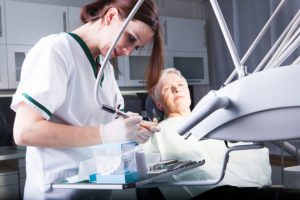
Veterans Senior Care: As people get older, including veterans, certain tasks may become more challenging. For some, the ability to drive may become limited.
Learning to Listen to Dad About His Struggles as an Aging Veteran
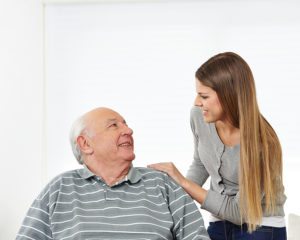
What are some of the challenges your veteran father is facing at the moment? Is he having difficulty getting out of bed? Do you notice him struggling to get out of the chair or walk down the hall? Does he seem unsteady on his feet?

What to Do When Your Veteran Father Refuses to Get to the Hospital
It’s a tough situation. Your father, who is a veteran, is refusing to get to the hospital. He’s been experiencing a number of symptoms that lead you to believe he just had a heart attack. He’s sitting in his favorite recliner and doesn’t want to move.
Some Challenges Veterans Often Face When Needing Care at Home
Not every person is the same, and not every veteran is going to deal with certain issues as other veterans do. Since everyone is different, the challenges some veterans may face as they get older and begin struggling with her own basic care could be quite unique.
Will the Aid and Attendance Help with All Home Care Costs?
There are many aspects about the Aid and Attendance Benefit for veterans who may require home care support. One of the stipulations, or requirements, about this pension is that a veteran needs to be able to prove home care is absolutely necessary at this point in his or her life.

5 Things Many Veterans Wish They Knew Earlier About the Aid and Attendance Benefit
Veterans Aid and Attendance Pension Benefit: Here are five things a lot of veterans have reported wishing they knew earlier about the Aid and Attendance Benefit that may just help some other veteran in a time of need.
Why Home Care Is So Important for Veterans in Need
Home care may be instrumental at helping to provide safety, comfort, and a higher quality of life for people of all ages, including veterans. When a veteran is having difficulty maintaining his or her balance or to perform other tasks, a home care aide would be a great asset.
Adjusting to a New Life for Veterans Who Need Home Care
Veterans Home Care Guidelines: If you were to require some type of home care support assistance tomorrow, how easy will the transition be for you? For most people, especially those who have been living independently for 30, 40, or 50 years already, it’s extremely difficult.