

 Many veterans are often fiercely independent men and women. Going through boot camp was grueling. They learned about personal responsibility, discipline, and looking out for their fellow soldiers. As they get older, it may become difficult for some veterans to rely on home care support and they are dealing with injuries, recovering from major surgery or another health issue, or simply contending with the natural process of aging.
Those first days after a veteran begins relying on a home care aide can be challenging, to say the least.
It can be tough to rely on help.
It’s difficult for a lot of people to ask for help, and it’s even more frustrating for some to actually rely on it. When that home care aide arrives the first time, the veteran may not know what to make of it. He may not have a clue how to act and might even have a tendency to withdraw to the comfort and security of his own bedroom where he can close and lock the door.
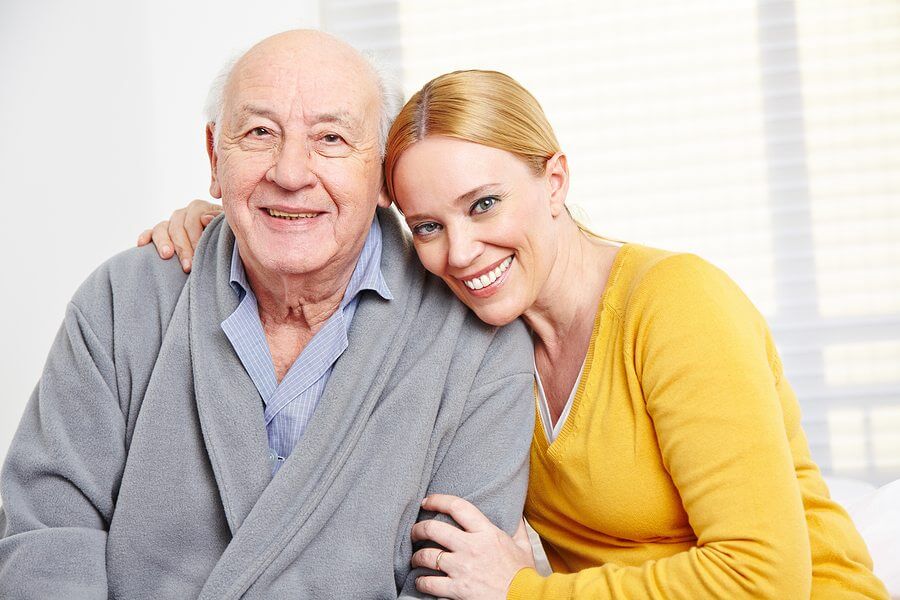
More experienced caregivers will understand these trepidations and offer patience, comfort, and conversation. By having simple conversations, it can offer comfort to these veterans and that allows a home care aide to discover what they enjoy and what they would like to do.
They could be withdrawn.
As mentioned, some veterans may become more withdrawn from the situation. With patience, reassurance, and understanding, a home care aide will work with the elderly veteran and help him realize that this is beneficial for him and can help him enjoy some of the things in life he may have given up on already.
An experienced aide is essential.
The more experience a caregiver has, the better it’s going to be for the veteran in need. That’s because experienced help will not only focus on safety for the veteran, they will understand the best ways to approach this individual. They will have worked with other seniors and disabled individuals and know many of the concerns, frustrations, and even aggressive tendencies some clients tend to exhibit.
Experienced aides will often encourage activity.
Sometimes elderly veterans become discouraged about life. They may see no benefit to exercise, working out, or thinking about activities. However, more experienced caregivers understand how important it is to maintain a high quality of life and how being active can help people do that.
During those first days, veterans often start opening up and feeling positive about the prospects of home care support.
Our VetAssist® Program can help you apply for the VA’s Aid and Attendance benefit and access the home care you need. For more information and to learn about The VetAssist Program, contact Veteran’s Home Care at (888) 314-6075.