


Veterans Senior Care
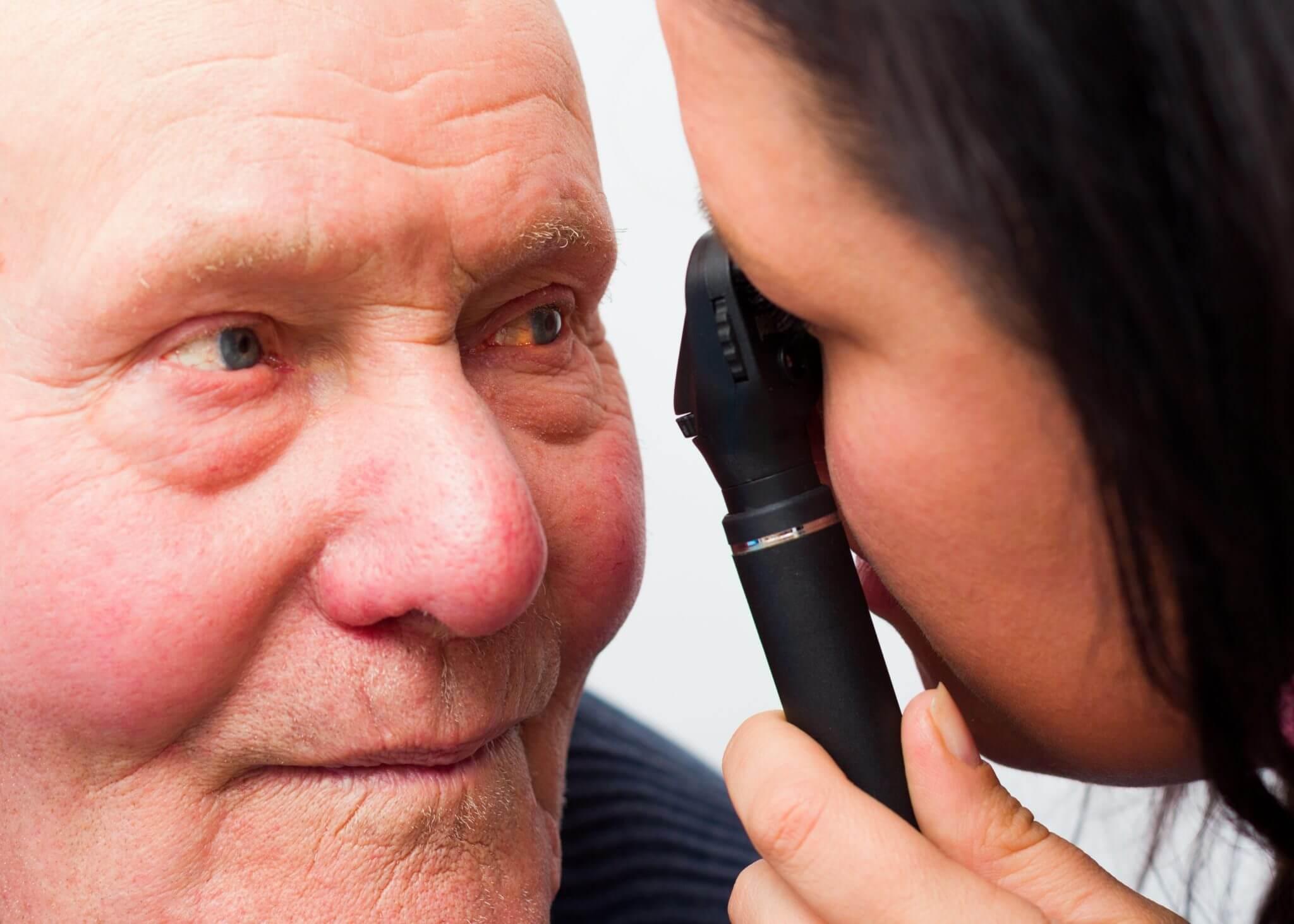
 June is Cataracts Awareness Month and for aging veterans, the risk of cataracts will increase each year. Cataracts are highly treatable, as long as they are detected early enough and treatment can begin in the earlier stages of this particular vision-related problem.
For senior veterans, getting proper health care is a great asset, but that doesn’t mean every elderly veteran is going to be making an eye appointment as often as recommended.
In general, most eye care professionals recommend an eye exam every two years for adults. As people get older, though, and as the risk of developing certain vision-related problems increases, those recommendations can increase to annually. If there is a family history of certain vision-related problems, then their eye care professional might recommend more frequent testing.
As cataracts develop, it can create what appears to be a white, milky appearance to the lens of the eye. If left untreated, it can lead to permanent and even total vision loss, making daily life and even safety at home even more challenging for the elderly veteran.
If the veteran is struggling with their vision at the moment, he might benefit from a home care aide to support him, not just getting out of bed and getting dressed, but with bathing, cooking, getting to doctors’ appointments, and even taking part in various activities. A home care aide can be hired for a brief period of time, such as a couple of weeks, or even just a few days.
Hiring through an agency is one of the most effective ways to get the proper level of care for any elderly individual, veteran or otherwise. That’s because agencies often have strong systems in place to not only support their caregivers, but also provide the right resources for their elderly clients.
Some elderly veterans may feel that since they’re on a limited and fixed income, such as through a pension, that they can’t possibly afford home care, but if they served at least 90 days of active duty service in one of the major branches of the United States military and one of those days fell during a time of active combat, they may qualify for the Aid and Attendance Benefit that can help them pay for home care.
It’s important to note that the veteran does not need to have been in an active combat situation, but a minimum of one day of their service needs to have fallen during an active time of combat, such as World War II, the Korean War, the Vietnam Conflict, or the Gulf War.
June is Cataracts Awareness Month and if an elderly veteran is experiencing any vision-related problems, he should get to an eye care professional immediately and possibly consider home care support.
If you or an aging veteran are considering home care services and need assistance with the VA Aid and Attendance Pension Benefit, please contact us about the VetAssist Program today. Call 877-390-6377.