

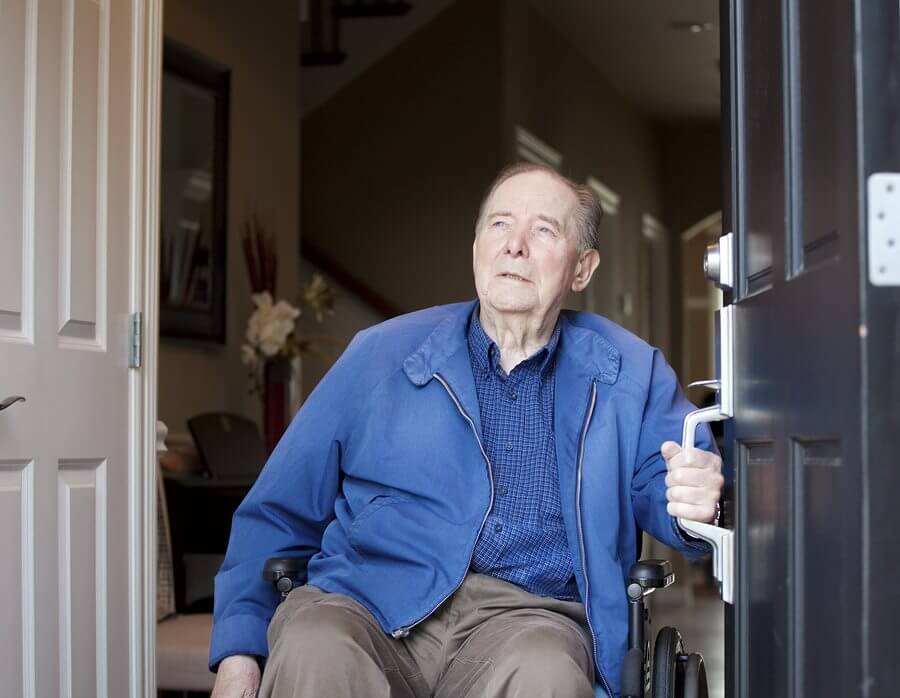

Matthew had been living alone for quite some time. He never truly recovered emotionally from his time in service during the Vietnam War. He carried the mental and emotional scars for many years before he even sought help. It took its toll on his marriage and his wife of 25 years finally left when it seemed as though she was never going to be able to reach him. Now that he’s a senior, living alone has become difficult.
His children never truly understood him.
Matthew simply couldn’t talk about his emotions. He got angry or withdrew in various situations. If things became too intense, it could cause him harm because of post-traumatic stress disorder.
Still, his children loved him, wanted to be there for him however they could, and when they recognized he was starting to struggle with his own basic care, they started talking about home care support.
The problem for Matthew was affordability.
He simply couldn’t imagine paying for a home care aide out of the paltry pension and Social Security payments he received every month. “I barely have enough to cover my basic expenses,” he told his youngest son one afternoon when he discussed this prospect.
He told his son he had thought about home care support, but he didn’t see it as being feasible. He had applied, but Medicaid is not going to cover it because it was not medically necessary.
That’s when a friend of a friend recommended the Aid and Attendance Benefit.
Because Matthew served during a time of official combat, because he served at least 90 days active duty, because he could prove home care was necessary at this point in his life (because of safety, mobility, and other factors), and because his income and assets, combined, were less than $119,000, he could get financial assistance to pay for home care support services.
Matthew didn’t realize this. He had never heard about this pension. There are numerous pension programs made available through the VA that can be beneficial for many different veterans. Unfortunately, not everyone knows about them, so it’s absolutely crucial that when people hear about these things they share that information with others.
If Matthew hadn’t heard about the Aid and Attendance Benefit, who knows whether he would’ve finally been able to relax and get the help he needed to stay safe and comfortable in his own home environment.
Our VetAssist® Program can help you apply for the VA’s Aid and Attendance benefit and access the home care you need. For more information and to learn about The VetAssist Program, contact Veteran’s Home Care at (888) 314-6075.